Is Your Roof Ready for Ballina's Summer Storm Season?
@chancemowg767
November 16, 2026 · 3 min read
As summer approaches in Ballina, residents across the Northern Rivers region understand the reality of local weather patterns. Between November and March, sub-tropical humidity frequently gives way to intense summer thunderstorms, heavy coastal downpours, and damaging wind gusts. Given our unique position at the mouth of the Richmond River, local homes are routinely exposed not just to severe rain, but also to salt spray, shifting coastal https://kylerxefh601.oakmontscope.com/posts/choosing-a-roof-for-a-coastal-extension-or-new-build winds, and flash flooding conditions. Ensuring your roof is structurally sound and fully weather-tight is essential to protecting your property and family before the storm season hits its peak in 2026.
Understanding the Impact of Ballina's Coastal Storms
Ballina’s coastal environment places exceptional stress on roofing materials throughout the year. Saline air accelerates the corrosion of metal fasteners, valley irons, and flashings, while prolonged sun exposure degrades tile pointing and ridge capping. When severe summer storm cells arrive, existing micro-flaws rapidly escalate into major structural vulnerabilities. High winds can lift unsecured metal sheeting or dislodge cracked roof tiles, allowing driven rain to saturate insulation and collapse interior plaster ceilings within hours.
Proactive roof maintenance is not simply about preventing minor leaks; it safeguards the structural integrity of your home, prevents hazardous mould growth, and prevents expensive insurance disputes following major weather events.
Essential Pre-Storm Roof Inspection Checklist
Before the severe weather patterns intensify this summer, property owners should conduct a thorough external review or arrange a professional evaluation. Focus on these critical structural elements:
- Clear Gutters and Downpipes: Coastal vegetation and leaf debris create blockages in box gutters and valley trays. When stormwater cannot drain freely, it backs up beneath the eaves and enters the roof cavity.
- Inspect Pointing and Ridge Capping: For tiled roofs, inspect the mortar bedding and flexible pointing. Cracks or crumbling mortar leave tiles vulnerable to uplift in gale-force winds.
- Examine Metal Sheeting and Screws: On Colorbond or corrugated iron roofs, check for loose or rusted screws with deteriorated neoprene washers, as these represent primary entry points for driven rain.
- Check Flashings Around Penetrations: Inspect all flashings surrounding chimneys, skylights, vent pipes, and solar panel mountings to ensure the seals remain intact and watertight.
- Trim Overhanging Tree Branches: Prune large branches within striking distance of the roofline to minimise impact damage from falling limbs during high-wind events.
The Importance of Professional Roof Assessment
While surface-level visual checks from ground level provide a baseline, climbing onto a roof carries significant safety hazards, particularly on multi-storey coastal homes. In New South Wales, residential roofing standards require strict adherence to safety guidelines, fall-prevention protocols, and compliance with the National Construction Code.

A qualified, licensed local roofing specialist possesses the equipment and expertise to identify hidden structural issues, such as internal timber framing rot, degraded underlayment sarking, or early-stage galvanic corrosion. Investing in preventative repairs prior to storm season avoids premium emergency repair fees and long waiting lists during severe storm emergencies.
What to Do If Storm Damage Strikes
Even with careful preparation, severe hail and localized storm cells can cause sudden damage. Knowing the appropriate initial steps helps minimize property loss and facilitates prompt recovery.
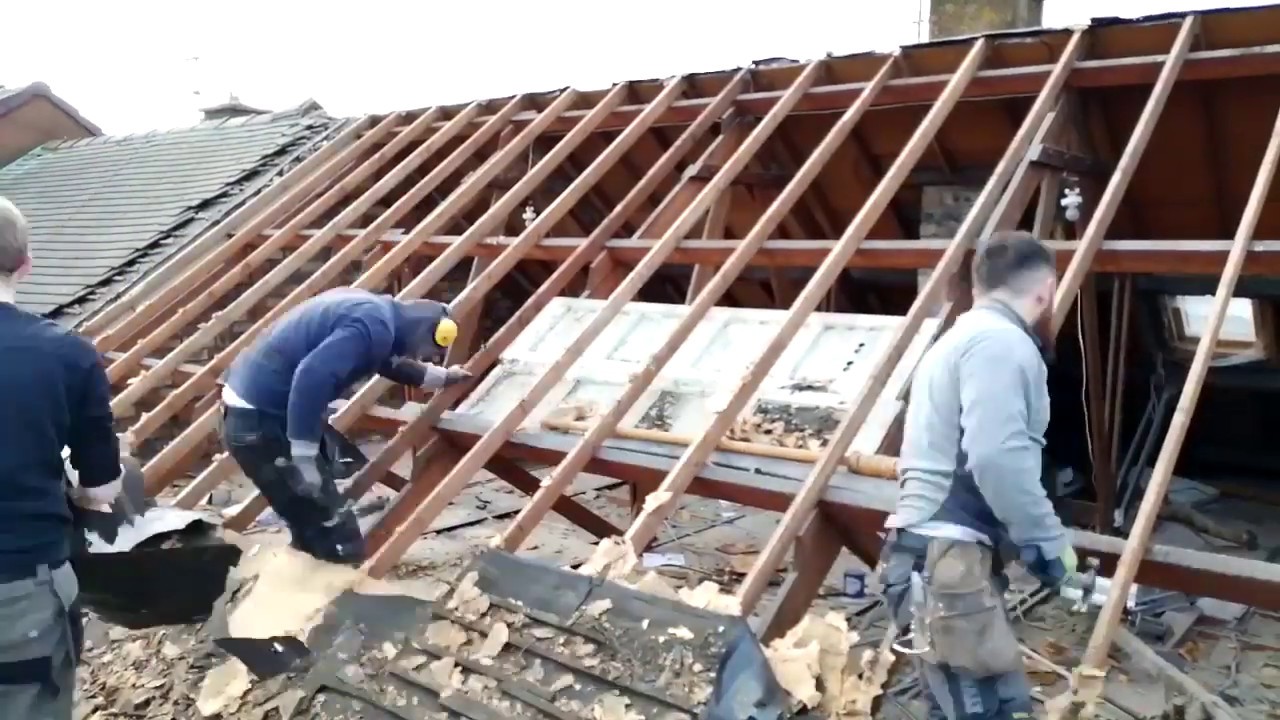
- Prioritise Personal Safety: Never climb onto a damaged or wet roof during or immediately after a storm; stay clear of bulging ceilings that may hold standing water.
- Secure Critical Belongings: Move electrical equipment, furniture, and valuables away from active leaks and place buckets beneath drips to contain runoff.
- Document the Damage: Take clear photographs and video footage of structural faults and interior water ingress for your insurance claim prior to temporary cleanup.
- Contact Qualified Professionals: Engage local State Emergency Service (SES) units for critical structural tarping, followed by a licensed local roof contractor for permanent remediation.
Prepare Your Home for 2026 and Beyond
Storm preparation is a vital component of coastal homeownership. Taking steps today to clear drainage systems, replace weathered fasteners, and repair deteriorated flashings ensures your home remains safe and secure throughout the 2026 storm season and into 2027. Do not wait for the first severe weather alert—schedule a comprehensive roof inspection and protect your Ballina home before the storm hits.
Ballina Roof Restoration & Repair